
Why South Florida Properties Review Their Landscape Maintenance Contract Before Fall
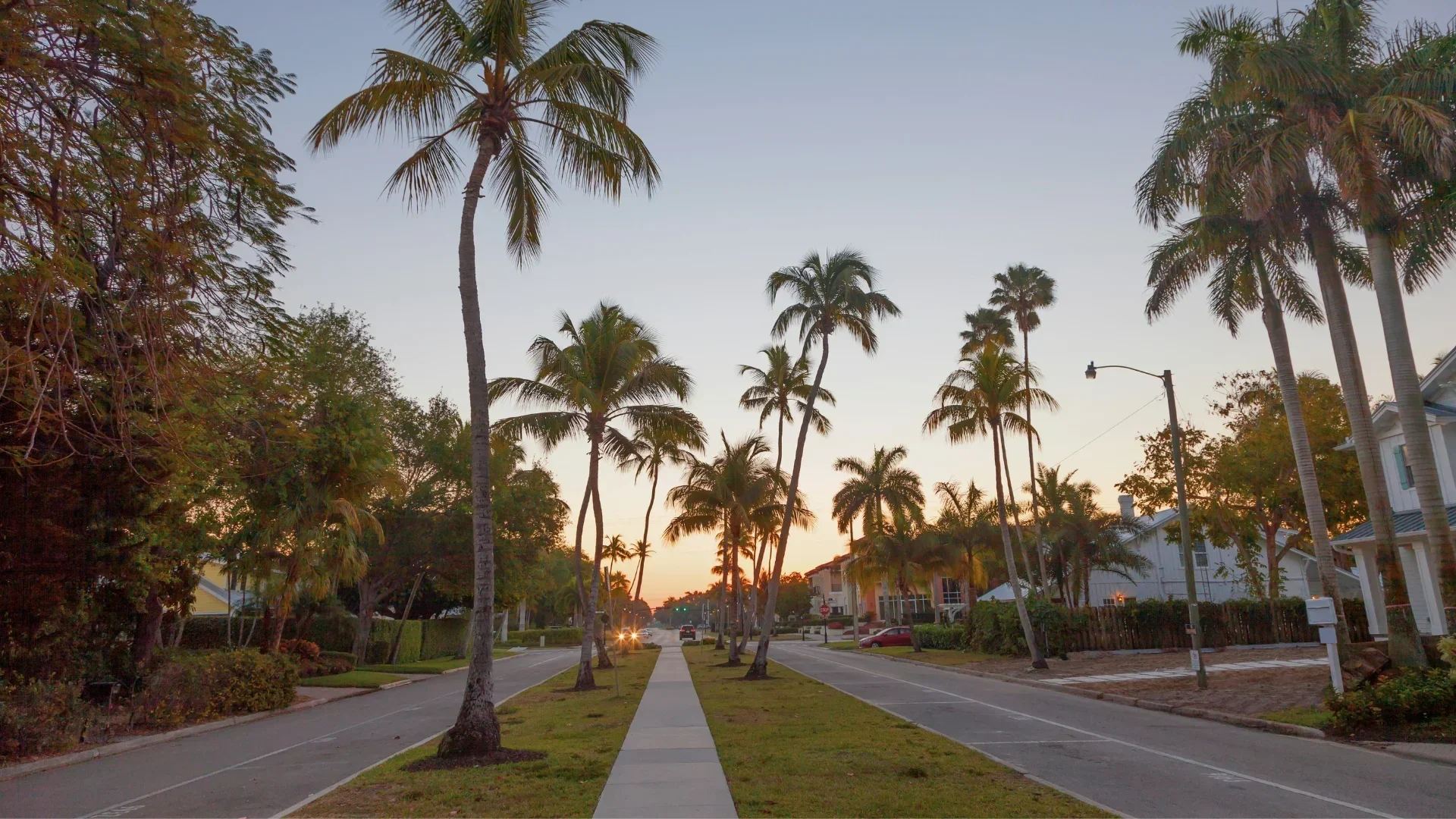
Fall may not bring cool temperatures and falling leaves to South Florida, but it still marks an important change for local landscapes. Rainfall patterns begin to shift, hurricane season continues through November, and properties gradually move from the wet season into the drier months.
For property owners and managers, this is a good time to review a landscape maintenance contract and determine whether the current scope still fits the property.
A contract that worked well earlier in the year may need adjustments based on plant growth, irrigation demands, storm damage, property improvements, or areas that have become harder to maintain. Reviewing the agreement before fall gives owners time to identify those needs before South Florida's dry season begins.
Why Review a Landscape Maintenance Contract Before Fall?
Landscape maintenance in South Florida does not follow the same seasonal cycle found in much of the country. Turf, palms, shrubs, tropical plants, and ornamental beds can require attention throughout the year, but their needs change as rainfall and temperatures shift.
During summer, frequent rain and warm temperatures can drive rapid turf and plant growth. Irrigation schedules may be reduced to account for natural rainfall. Properties may also deal with drainage issues, weeds, pests, fungal activity, and storm debris.
As fall progresses, rainfall generally begins to decrease. A landscape maintenance contract should account for that transition rather than treating every month exactly the same.
Property owners can use a contract review to compare the written scope against what is actually happening across the property.
Compare the Contract to Current Property Conditions
Landscapes change over time. Shrubs mature, tree canopies expand, irrigation components wear down, turf develops problem areas, and planting beds may need different levels of attention.
Walk the property and compare current conditions against the services listed in the landscape maintenance contract.
Pay particular attention to:
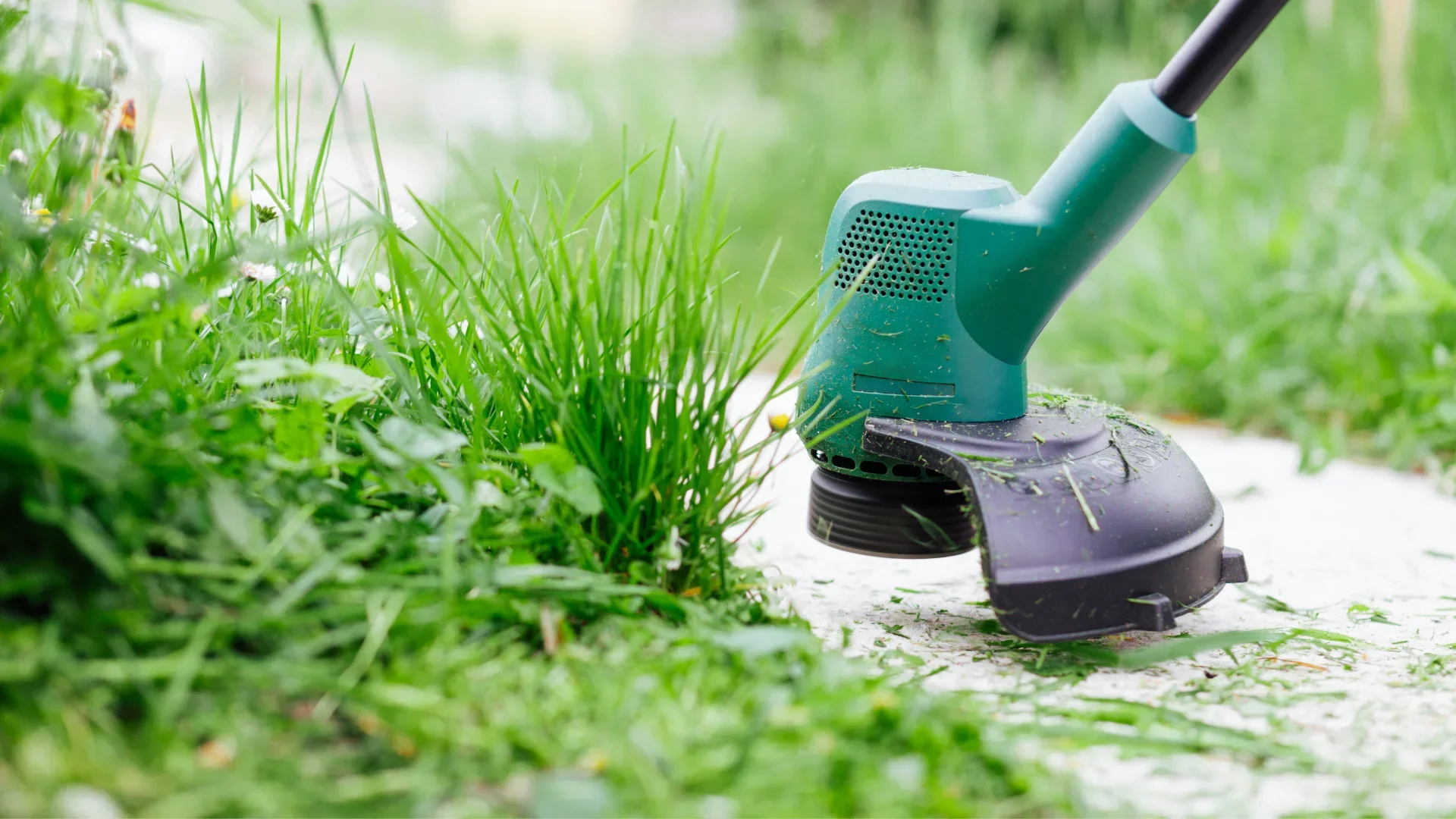
Turf mowing, edging, and trimming
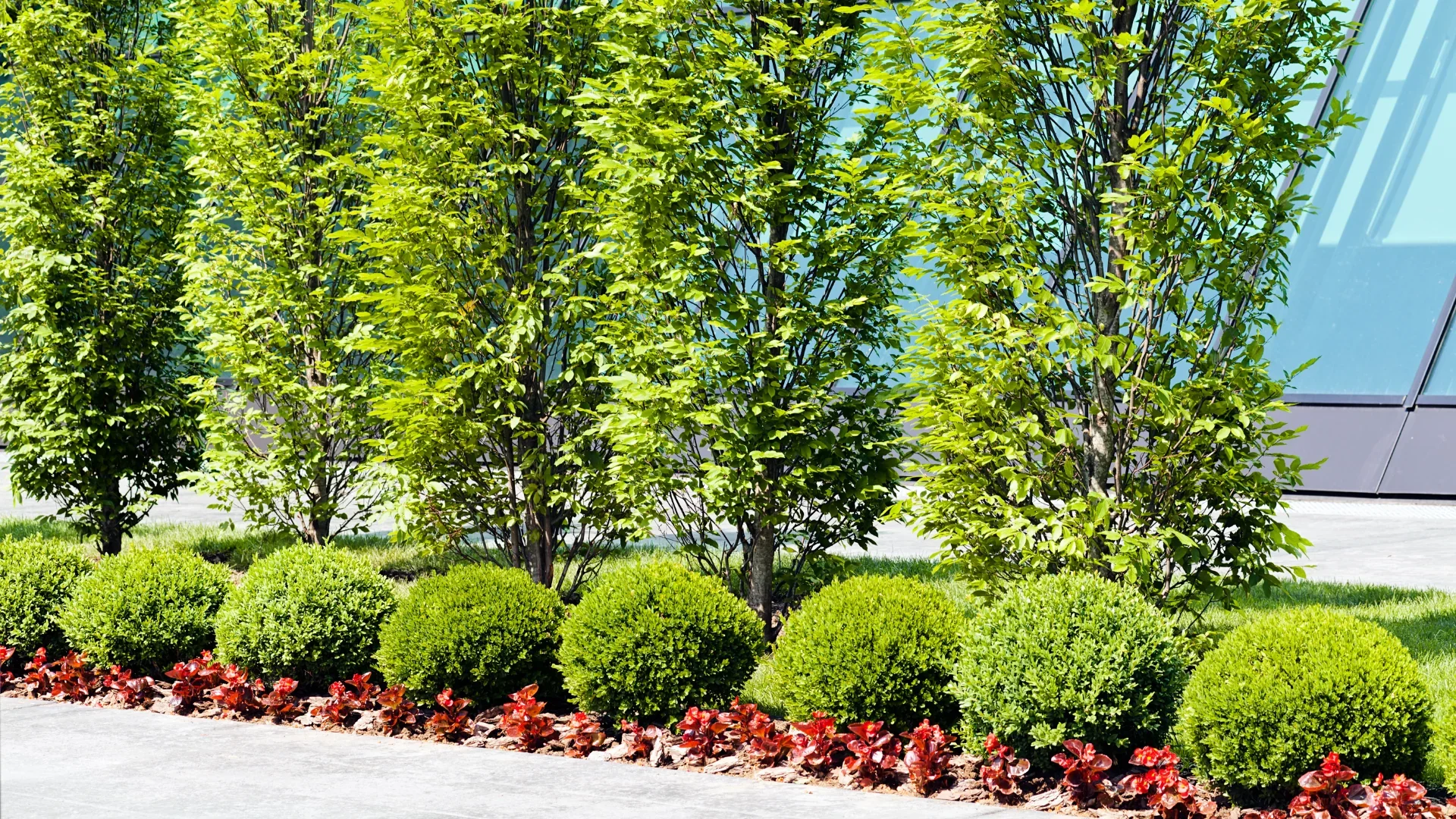
Shrub and hedge maintenance
Weed control
Tree and palm care
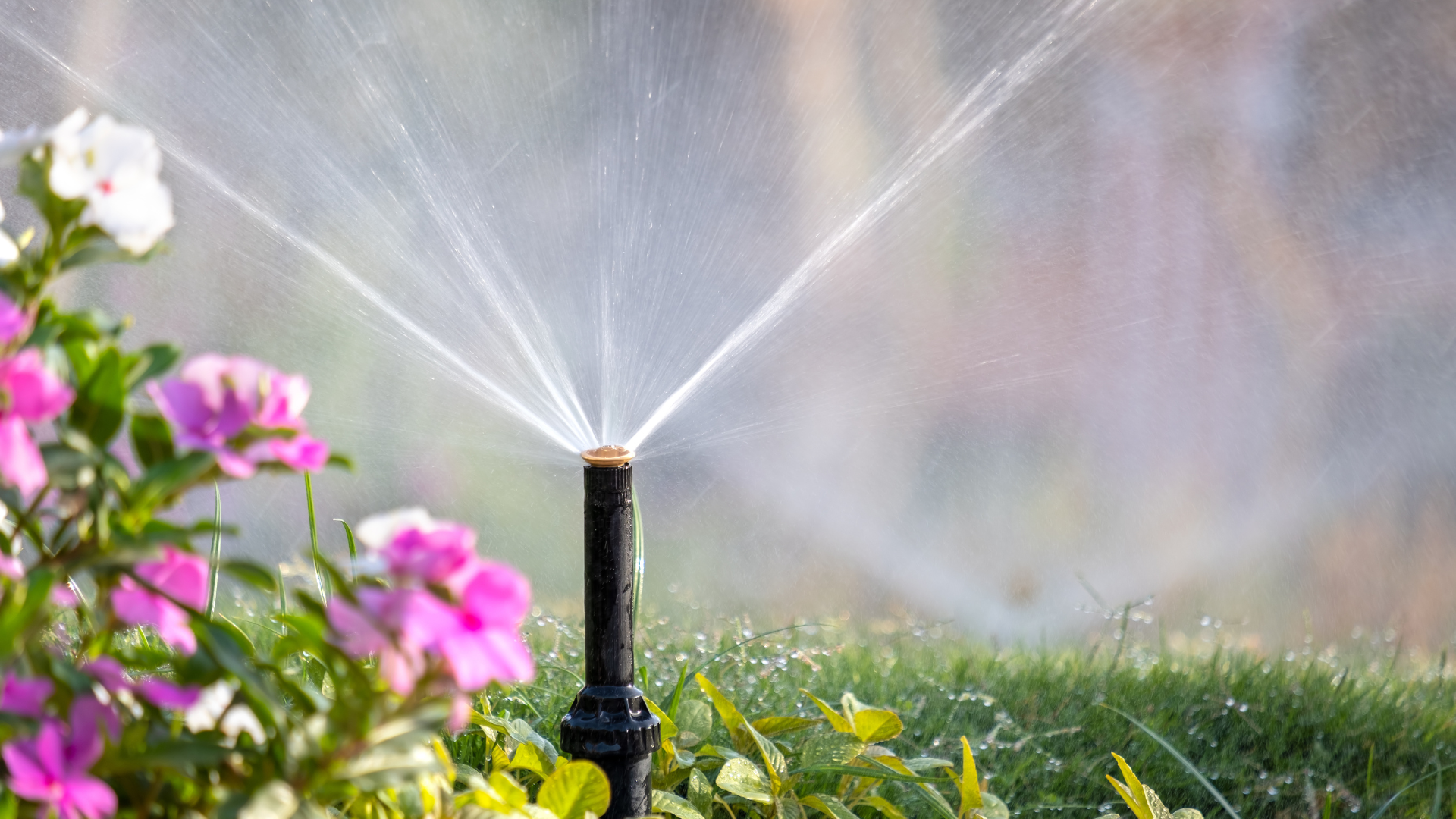
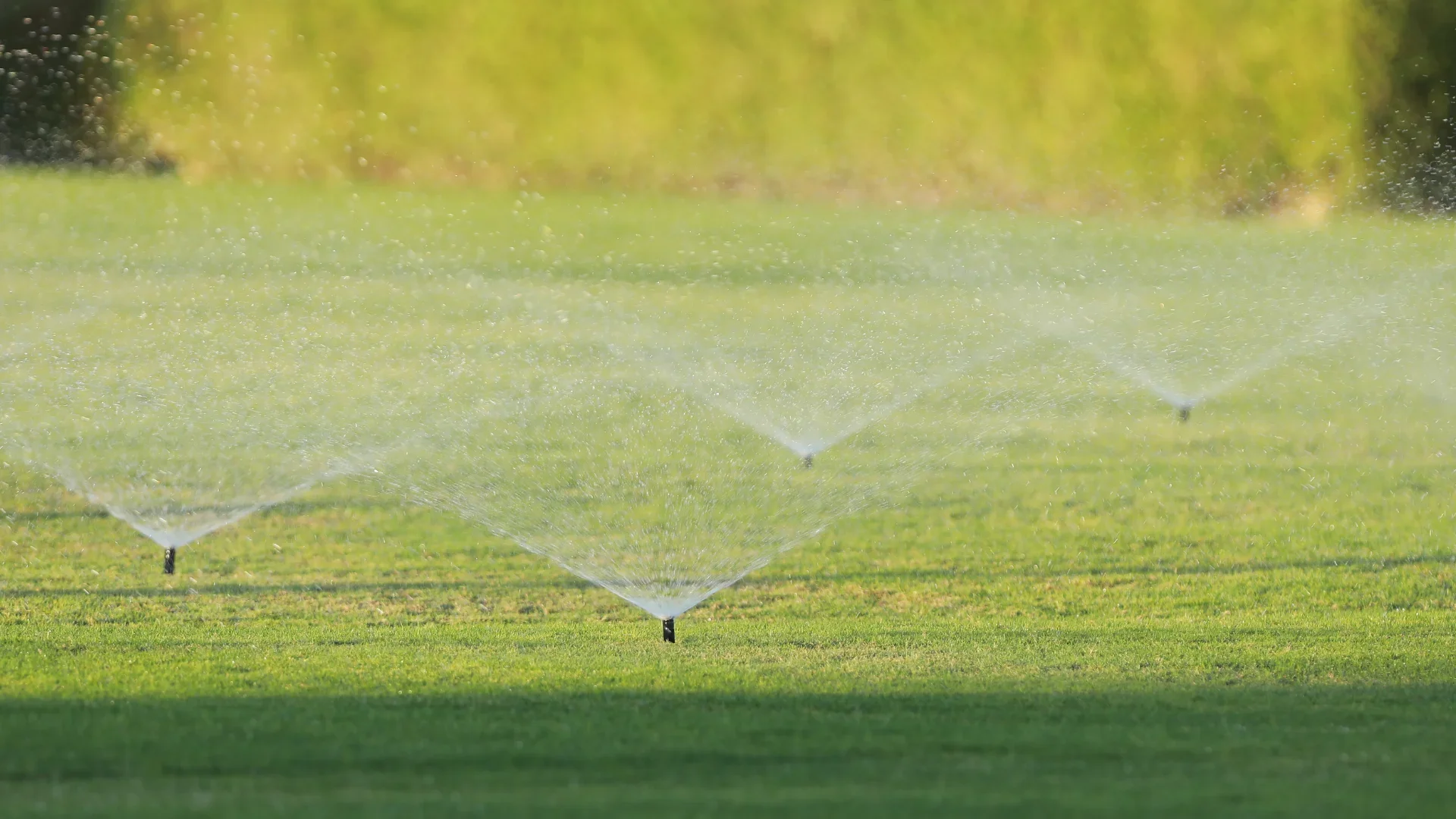
Irrigation inspections and adjustments
Flower and planting bed maintenance
Debris and landscape cleanup
Fertilization and turf care
Mulch replacement
Storm-related landscape needs
This review can uncover gaps between what the property currently needs and what the existing agreement covers.
For example, palms that required limited attention when a contract began may now need more regular care. Newly installed landscape areas may need to be added to the maintenance scope. An older irrigation system may also need closer monitoring as South Florida enters its drier months.
Check Irrigation Responsibilities Before the Dry Season
Irrigation deserves specific attention during a fall contract review.
South Florida typically receives considerably less rainfall during its dry season, which generally runs from late fall into spring. That makes irrigation performance increasingly important as seasonal rainfall decreases.
Property owners should understand exactly what irrigation services are included in their landscape maintenance contract. There can be a major difference between observing obvious sprinkler problems during routine visits and performing scheduled system inspections.
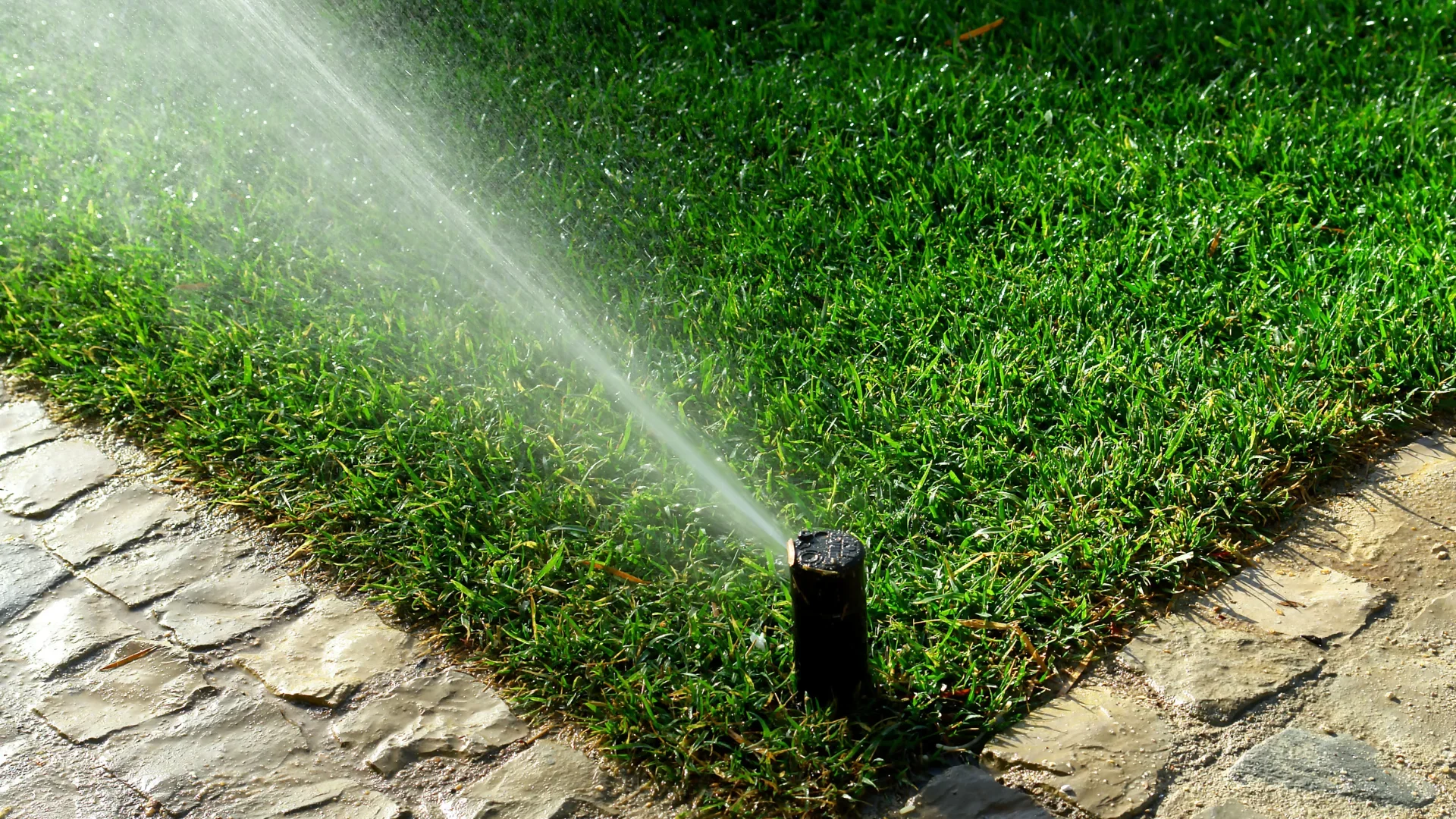
Review who is responsible for checking sprinkler heads, controllers, rain sensors, valves, coverage, and damaged components. It should also be clear whether repairs are included in the agreement or quoted separately.
A landscape may have received enough summer rain to hide poor irrigation coverage. Once rainfall decreases, dry areas can become much easier to spot.
Review What Happens After Severe Weather
Routine landscape maintenance and storm cleanup are not necessarily the same service. Fallen limbs, damaged trees, large amounts of debris, washed-out planting beds, and damaged irrigation components may require work beyond the regular maintenance scope.
Read the landscape maintenance contract carefully to determine what happens after a tropical storm, hurricane, or severe thunderstorm.
Property owners should know which services are part of routine visits, which require authorization, and how larger cleanup or corrective work is handled. Having clear expectations can make it easier to evaluate the property and determine priorities after severe weather.
Look Beyond Mowing Frequency
Mowing is highly visible, but it is only one part of maintaining a South Florida property.
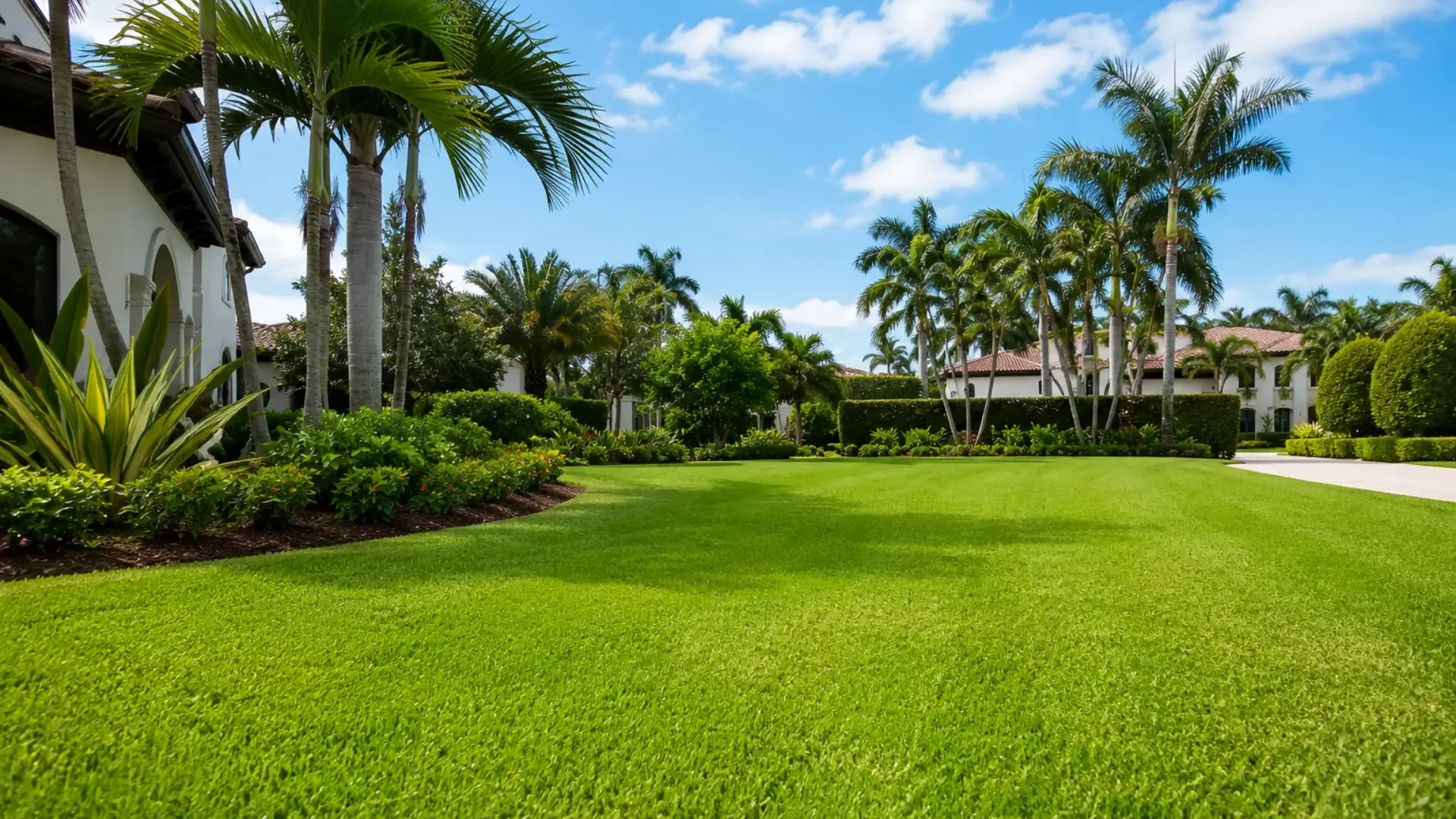
A strong landscape maintenance contract should reflect the full landscape. Trees, palms, shrubs, turf, irrigation, planting beds, and high-visibility areas all contribute to the property's appearance and condition.
Entrances, signs, walkways, parking areas, pool areas, clubhouses, and other frequently used spaces may also require closer attention. Overgrown shrubs can block signs or encroach on walkways. Irrigation overspray can reach pavement. Weeds can become highly visible in planting beds even when the turf itself looks maintained.
Reviewing these details helps determine whether the existing scope reflects the standards expected across the entire property.
Consider Changes Made to the Property
Property improvements can make an older landscape maintenance contract outdated.
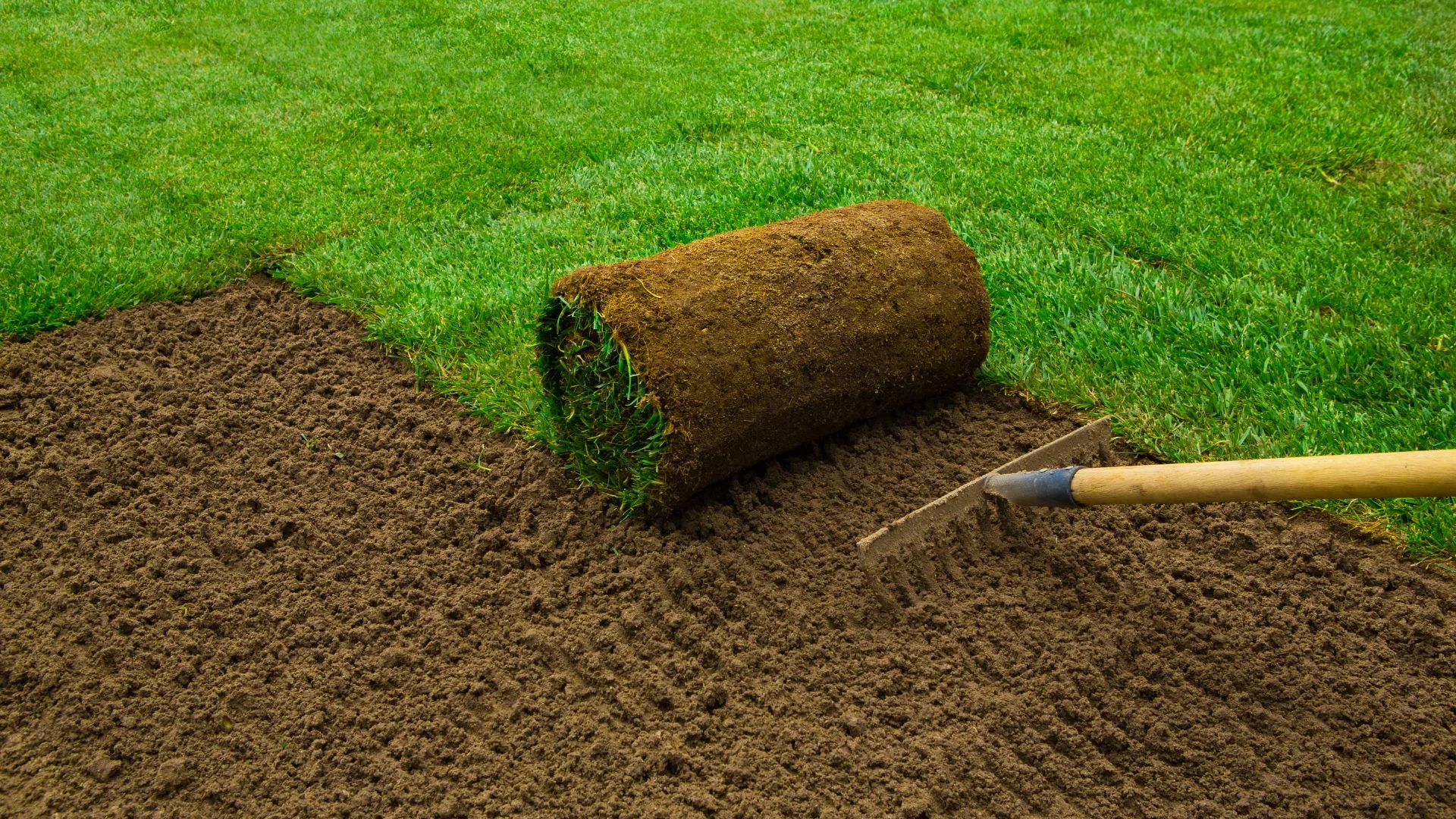
New trees, sod, landscape beds, irrigation zones, hardscapes, lighting, or building additions can change the amount and type of maintenance required. Removing landscape features can have the opposite effect.
If the property has undergone improvements during the year, compare the current site plan with the maintenance scope.
This is also a good opportunity to discuss areas that repeatedly require corrective work. A section of turf that continually struggles, for example, may have an irrigation, drainage, soil, shade, or traffic issue that routine mowing cannot correct.
Use the Review to Plan for the Months Ahead
A contract review does not have to mean replacing the landscaping company or completely changing the maintenance program. It can simply be a practical way to make sure the agreement still matches the property.
Look at what worked during the past several months, where problems occurred, and which areas require more attention.
The goal is to enter the next season with a landscape maintenance contract that clearly defines responsibilities and reflects actual site conditions. For South Florida properties, fall provides a useful point in the year to make those decisions before rainfall decreases and irrigation becomes a larger part of landscape management.
Frequently Asked Questions
What should I look for when reviewing a landscape maintenance contract?
Review the exact services included, service frequency, irrigation responsibilities, tree and palm care, storm cleanup procedures, and how additional work is approved. Compare the written scope against the current conditions and needs of your property.
Should landscape maintenance frequency change during fall in South Florida?
It can. Changes in rainfall, turf growth, plant growth, and irrigation demand may affect how different parts of the property should be maintained as South Florida transitions from the wet season into the drier months.
Are irrigation repairs normally included in a landscape maintenance agreement?
It depends on the agreement. Some contracts may include routine inspections or adjustments while larger repairs, replacement parts, or system improvements are handled separately, so the scope should clearly define those responsibilities.
Review Your Property's Landscape Maintenance Needs
The Green Shape provides landscape maintenance and related landscaping services for properties throughout South Florida. If your current maintenance plan needs to be updated before the next season,
Contact The Green Shape to discuss your property and the services it requires.