
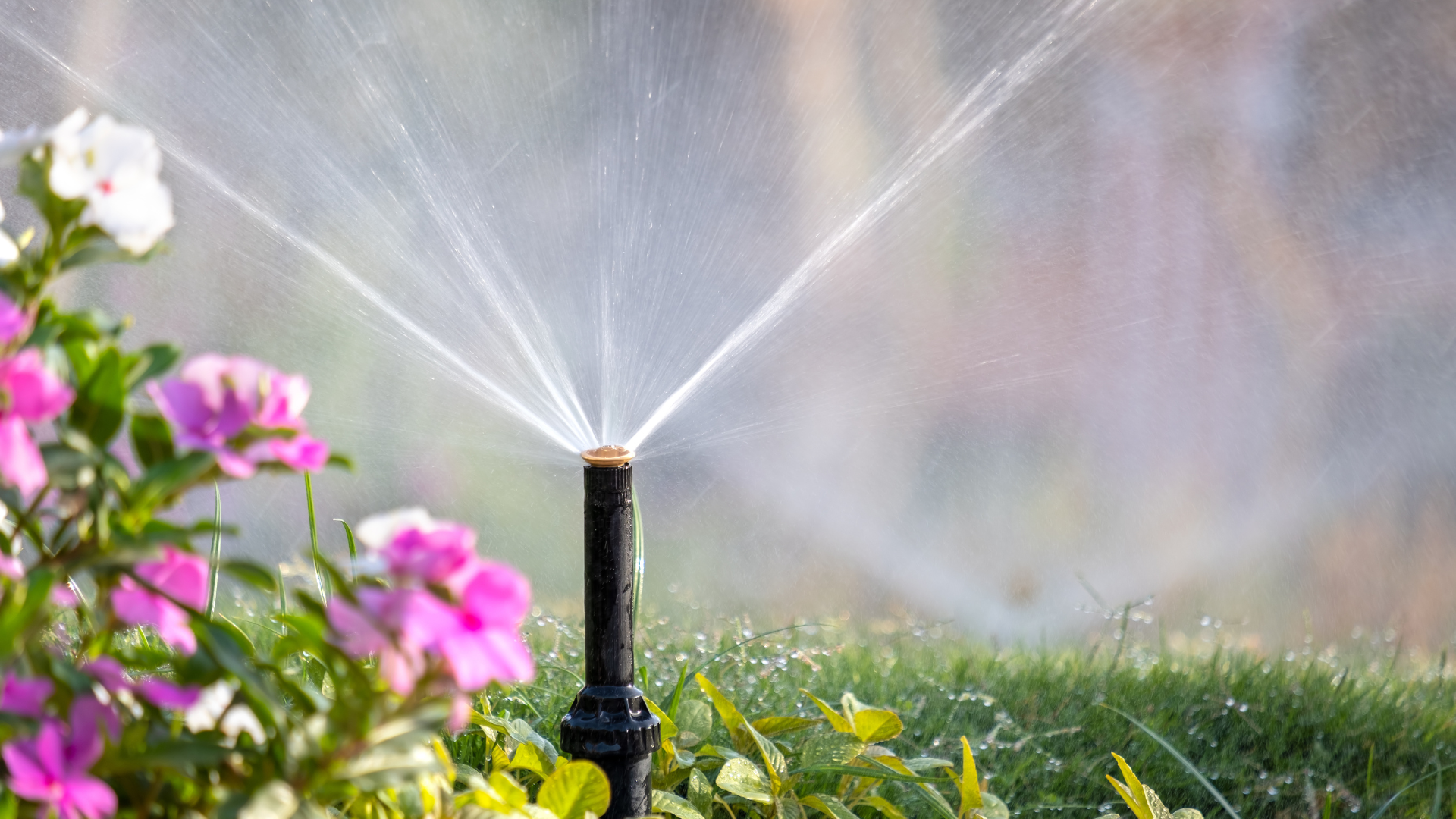
Commercial Lawn Irrigation Mistakes to Avoid Before Florida’s Rainy Season
In South Florida, commercial lawn irrigation requires more than setting a timer and walking away. As temperatures rise and the region moves closer to the rainy season, irrigation systems need regular monitoring to avoid problems that affect turf quality, drainage, and overall landscape performance.
Many commercial properties enter this time of year with irrigation schedules still set for cooler months. Without adjustments, systems can quickly begin overwatering landscapes as humidity and rainfall increase. The result is often stressed turf, fungal issues, runoff, and unnecessary water use.
At The Green Shape, we help commercial properties across South Florida manage lawn irrigation proactively. From office parks and retail centers to HOA communities and mixed-use developments, our team understands how seasonal weather shifts affect irrigation performance.
Why Commercial Lawn Irrigation Needs Seasonal Adjustments
South Florida does not experience traditional seasons, but the shift from dry months into rainy season changes how landscapes respond to irrigation.
During late spring and early summer:
Temperatures rise
Humidity increases
Afternoon storms become more common
This means irrigation systems that worked earlier in the year may now be applying too much water.
Commercial properties often contain turf areas with different sun exposure, soil conditions, and drainage capabilities. Without seasonal adjustments, one section may remain dry while another becomes oversaturated.
Commercial lawn irrigation should reflect current weather conditions instead of staying on the same schedule year-round.
Overwatering Is One of the Most Common Irrigation Problems
One of the biggest mistakes we see is overwatering during the transition into rainy season.
Many property managers assume hotter weather automatically means more irrigation is needed. In reality, rising humidity and increased rainfall can reduce how much supplemental watering the landscape requires.
What Overwatering Can Cause
Shallow turf roots
Increased fungal activity
Standing water near walkways and entrances
Weak or thinning grass
Water waste
St. Augustine grass, which is common throughout South Florida, is especially vulnerable to fungal problems caused by excess moisture.
At The Green Shape, we adjust commercial lawn irrigation schedules based on weather patterns, turf conditions, and how water moves across the property.
Ignoring Drainage Problems
Irrigation and drainage work together. If drainage problems already exist, adding more water only increases the issue.
Many commercial properties have low areas where water naturally collects after rainfall. If irrigation systems continue running heavily in those sections, soil can remain saturated for long periods.
Common Drainage Issues Include
Standing water after storms
Soil erosion
Weak turf growth
Root decline in nearby plants and trees
Poor drainage can also affect surrounding landscape beds. Waterlogged soil limits oxygen around roots and creates unstable growing conditions.
During irrigation evaluations, our team looks beyond sprinkler coverage alone. We assess grading, runoff patterns, and how the property responds after rainfall.
Failing to Inspect Irrigation Equipment
Commercial lawn irrigation systems experience wear throughout the year. Sprinkler heads shift, nozzles clog, valves malfunction, and timers fall out of sync.
Small issues often go unnoticed until visible turf damage appears.
Irrigation System Issues to Check For
Uneven spray patterns
Leaking valves
Broken sprinkler heads
Coverage gaps
Incorrect scheduling
A single damaged head can flood one section of turf while leaving another dry.
At The Green Shape, irrigation inspections are part of our ongoing maintenance approach. Identifying small issues early helps prevent larger landscape problems later in the season.
Using the Same Irrigation Schedule Across the Entire Property
Commercial landscapes rarely perform uniformly. Areas near pavement experience more heat than shaded sections near buildings or trees. Sloped areas dry out differently than flat spaces.
Using one irrigation schedule across the entire property often creates inconsistent results.
Irrigation Zones Should Consider
Sun exposure
Soil conditions
Turf type
Drainage patterns
Plant material
Properties without properly managed irrigation zones often waste water while still producing uneven landscape conditions.
Delaying Irrigation Adjustments Until Problems Appear
Another common mistake is waiting until turf damage becomes visible before making changes.
By the time lawns begin thinning, discoloring, or developing fungus, the underlying issue has often been building for weeks.
South Florida weather shifts quickly during this time of year, so irrigation schedules should be reviewed consistently as rainfall patterns begin changing.
At The Green Shape, we track seasonal conditions closely and adjust commercial lawn irrigation plans throughout the year. Staying proactive helps properties avoid costly recovery work later.
How Commercial Lawn Irrigation Affects Property Performance
Commercial lawn irrigation affects more than turf alone. Overwatering can create muddy areas near walkways and entrances, while dry spots can make a property look uneven despite regular maintenance.
Poor irrigation may also impact trees, shrubs, ornamental plants, drainage performance, and overall walkability throughout the property. For commercial landscapes, consistency matters.
The Value of Working with the Same Landscaping Team
Commercial lawn irrigation works best when managed by a team familiar with the property over time.
Every landscape responds differently to South Florida’s weather patterns. A provider who regularly services the property understands where water collects, which areas dry faster, and how conditions shift seasonally.
At The Green Shape, we take a proactive approach by monitoring irrigation performance throughout the year and making adjustments before larger issues develop.
Preparing Commercial Properties for Rainy Season
As rainy season approaches, irrigation systems should be reviewed carefully.
Seasonal Preparation Should Include
Irrigation schedule adjustments
Drainage evaluations
Sprinkler inspections
Coverage testing
Runoff monitoring
Commercial properties that prepare early are often able to avoid common seasonal issues such as standing water, runoff, and turf disease.
Storm preparation also plays a role. Irrigation systems should work alongside drainage infrastructure, not against it.
Work With The Green Shape for Commercial Lawn Irrigation Services
At The Green Shape, we provide commercial lawn irrigation services tailored to South Florida’s seasonal conditions. We help office parks, HOA communities, retail properties, and commercial facilities manage irrigation more effectively throughout the year.
If your commercial lawn irrigation system has not been reviewed recently, now is the time. Contact The Green Shape to schedule an irrigation assessment before rainy season begins.
FAQs About Commercial Lawn Irrigation
How often should commercial lawn irrigation systems be inspected?
Commercial lawn irrigation systems should typically be inspected at least once per season. During South Florida’s transition into rainy season, inspections become especially important.
What are signs of overwatering in commercial landscapes?
Common signs include standing water, fungal growth, soft turf, yellowing grass, and areas that remain wet long after irrigation cycles finish.
Why does commercial lawn irrigation need seasonal adjustments?
South Florida weather changes throughout the year. Irrigation schedules that worked during cooler months may apply too much water as humidity and rainfall increase.
Can irrigation problems damage commercial landscapes?
Yes. Poor irrigation management can contribute to turf decline, root stress, drainage issues, and disease problems across commercial properties.