
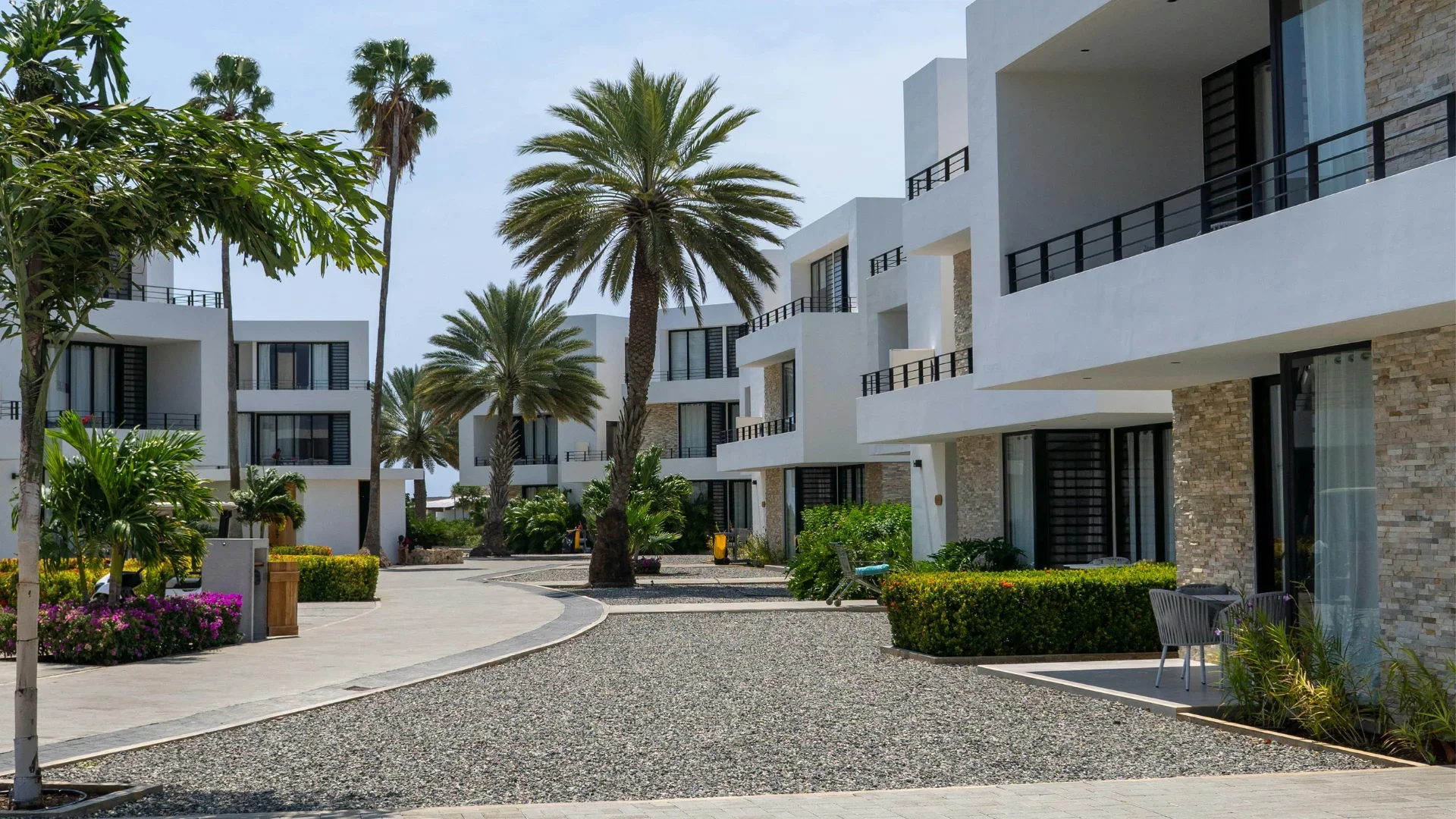
Types of Palm Trees in Florida and Where They Grow Best
Palm trees are a defining feature of Florida's landscapes. From commercial properties in coastal cities to quiet residential yards inland, palms are everywhere. But not all palms are the same, and understanding the different types of palm trees in Florida, and where they thrive, helps property managers and homeowners make smart, sustainable planting choices.
At The Green Shape, we work with commercial clients across South Florida to select, install, and care for palms that are well-suited to their specific environments. Our focus goes beyond appearance. We help clients maintain healthy landscapes with practical, well-planned care strategies backed by years of regional experience.
Why Palms Matter in Florida Landscaping
Palms are more than just iconic. In Florida, they serve both functional and aesthetic purposes. Many varieties offer shade, tolerate salt and sandy soils, and hold up well during seasonal storms. They bring a tropical look that fits naturally into South Florida’s setting, making them a popular choice for both residential and commercial sites.
However, palms are not one-size-fits-all. Some grow tall and slender, while others stay low and wide. Some need full sun, others prefer partial shade. If you're planting new palms or maintaining existing ones, knowing which species match your soil, sun exposure, and moisture levels helps avoid problems down the road.
Our team at The Green Shape works with property owners to determine what’s best for their location, and we offer both one-time planting projects and ongoing maintenance.
Climate Considerations: Florida’s Two Seasons
Florida experiences two main cycles: a wet season (roughly May through October) and a dry season (November through April). August falls in the height of the wet season, when rain, humidity, and storm activity are at their peak.
Understanding these cycles helps with both palm selection and care. During the wet season, palms grow quickly but are also more susceptible to root stress and disease. Poor drainage or overwatering can cause serious damage. That’s why The Green Shape designs care programs to align with seasonal needs: from adjusting irrigation timing to applying the right nutrient treatments at the right time.
Storm prep is also critical this time of year. We help clients assess palm stability, perform proactive pruning, and clean up damage after major weather events.
Most Common Types of Palm Trees in Florida
Coconut Palm (Cocos nucifera)
One of the most recognizable types of palm trees in Florida, the Coconut Palm thrives in South Florida’s coastal environments. It grows well in sandy soil, tolerates salty air, and requires full sun and consistent warmth. These palms can reach heights of up to 80 feet.
Coconut palms do require routine care. Dying fronds and falling coconuts can create safety concerns in high-traffic areas, so we often recommend regular trimming and health evaluations as part of a professional palm maintenance program.
Royal Palm (Roystonea regia)
The Royal Palm is one of the tallest and most striking types of palm trees in Florida, making it a popular choice for commercial entrances, streetscapes, and public spaces. It grows quickly and prefers moist, well-drained soil. Royal Palms are well-suited to USDA Zones 10 and 11, which includes most of South Florida.
Because of their size and water needs, Royal Palms benefit from professional irrigation planning.
Foxtail Palm (Wodyetia bifurcata)
The Foxtail Palm stands out among the more decorative types of palm trees in Florida, thanks to its full, feathery fronds. It typically grows to about 30 feet and adapts well to various soil types. Foxtails are moderately salt-tolerant and work well in both residential and commercial settings.
We install Foxtail Palms for clients seeking visual interest without overwhelming a space. When spaced and maintained properly, they bring balance and structure to the landscape.
Adonidia (Christmas Palm)
Smaller than many other types of palm trees in Florida, the Adonidia Palm is ideal for tight spaces. It typically reaches around 15 feet and is commonly planted near walkways, patios, and smaller commercial entrances.
Because of their size and clean growth habit, Adonidia palms are frequently recommended for condo associations, office parks, and retail centers with limited planting areas.
Bismarck Palm (Bismarckia nobilis)
Among the boldest types of palm trees in Florida, the Bismarck Palm is known for its wide, silver-blue fan leaves. These palms need full sun and ample space, making them better suited for open landscapes such as commercial campuses or residential golf communities.
While they do not require frequent trimming, their size makes placement critical. We help clients plan layouts that account for mature growth and surrounding infrastructure.
Areca Palm (Dypsis lutescens)
Areca Palms are one of the most commonly used types of palm trees in Florida for privacy screening. They grow in clusters, reach 15 to 20 feet, and perform best in light shade.
These palms grow quickly and need regular thinning to stay neat. We include this service in ongoing landscape maintenance plans for clients who want consistent results year-round.
Sabal Palm (Sabal palmetto)
Also known as the Cabbage Palm, the Sabal Palm is Florida’s state tree and one of the hardiest types of palm trees in Florida. It tolerates drought, flooding, wind, and a wide range of soil conditions.
Because of its durability and slow growth, it’s often used in parks, roadsides, and large commercial properties. Its low trimming needs make it a cost-conscious option for public-facing spaces.
Where Different Palms Grow Best
In South Florida, climate conditions vary by site, so we match palms to their environment:
Near the coast: Salt-tolerant palms like Coconut and Sea Grape do well here.
Commercial corridors: Royal and Bismarck Palms create visual structure and scale.
Smaller residential lots: Adonidia and Areca Palms fit well in compact areas.
Large properties: Sabals, Foxtails, and Royals offer height and shade without requiring high maintenance.
The Green Shape works directly with property managers to create planting strategies based on light, drainage, and long-term usage. We also offer follow-up services to help newly planted palms adjust and thrive.
How the Wet Season Affects Palm Health
During the wet season, excess rain and humidity increase stress on many types of palm trees in Florida. Too much moisture can lead to nutrient loss and fungal issues, especially in young palms.
To reduce these risks, we evaluate drainage during palm installations and offer seasonal fertilization plans tailored to each species. Ongoing care helps avoid premature decline and unnecessary replacements.
Investing in Consistent Palm Care Over Time
Palm trees are not a one-time investment. The long-term value of planting the right types of palm trees in Florida comes from steady care, thoughtful pruning, and seasonal observation.
Many of our clients choose ongoing service plans so one team consistently tracks plant health, responds to storm-related stress, and keeps landscapes stable from month to month. This approach allows for better planning and fewer surprises.
Storm Season Services
In South Florida, palm trees need more attention during the wet season, especially as storms approach. Loose fronds and top-heavy palms can become dangerous in high winds. Our storm prep services include:
Proactive pruning to reduce stress on trees
Stability checks for root systems
Post-storm inspections and cleanups
By offering storm-specific support, we help commercial properties avoid common risks and reduce downtime after major weather events.
Choose the Right Palm, and the Right Partner
Choosing the right types of palm trees in Florida depends on more than looks. Each species grows differently, responds uniquely to Florida’s climate, and requires thoughtful placement and care.
At The Green Shape, we combine design expertise with hands-on experience to help clients make choices that work for the long haul. Whether you’re developing a commercial site or renovating a residential property, we offer palm installation, care, and seasonal support across West Palm Beach, Miami, Fort Lauderdale, Broward, Stuart and surrounding communities.
Contact us today to talk about your next planting project or schedule a palm health consultation.
FAQs
What palm trees grow best near the ocean?
Coconut Palms, Sabals, and Sea Grapes are highly tolerant of salt, wind, and sandy soils, making them ideal for beachfront and coastal properties.
Can I plant palm trees during the wet season?
Yes. In fact, the wet season provides good conditions for root establishment, but drainage must be monitored closely to prevent overwatering stress.
Do all palms need regular trimming?
Not all. Some, like Adonidia and Areca, require frequent thinning. Others, like Sabal or Bismarck, can go longer between trims. We tailor maintenance schedules to each species.
How many types of palm trees are there?
Worldwide, there are over 2,500 known palm species. Florida supports dozens of native and non-native varieties, though only a portion are commonly used in residential and commercial landscapes.