
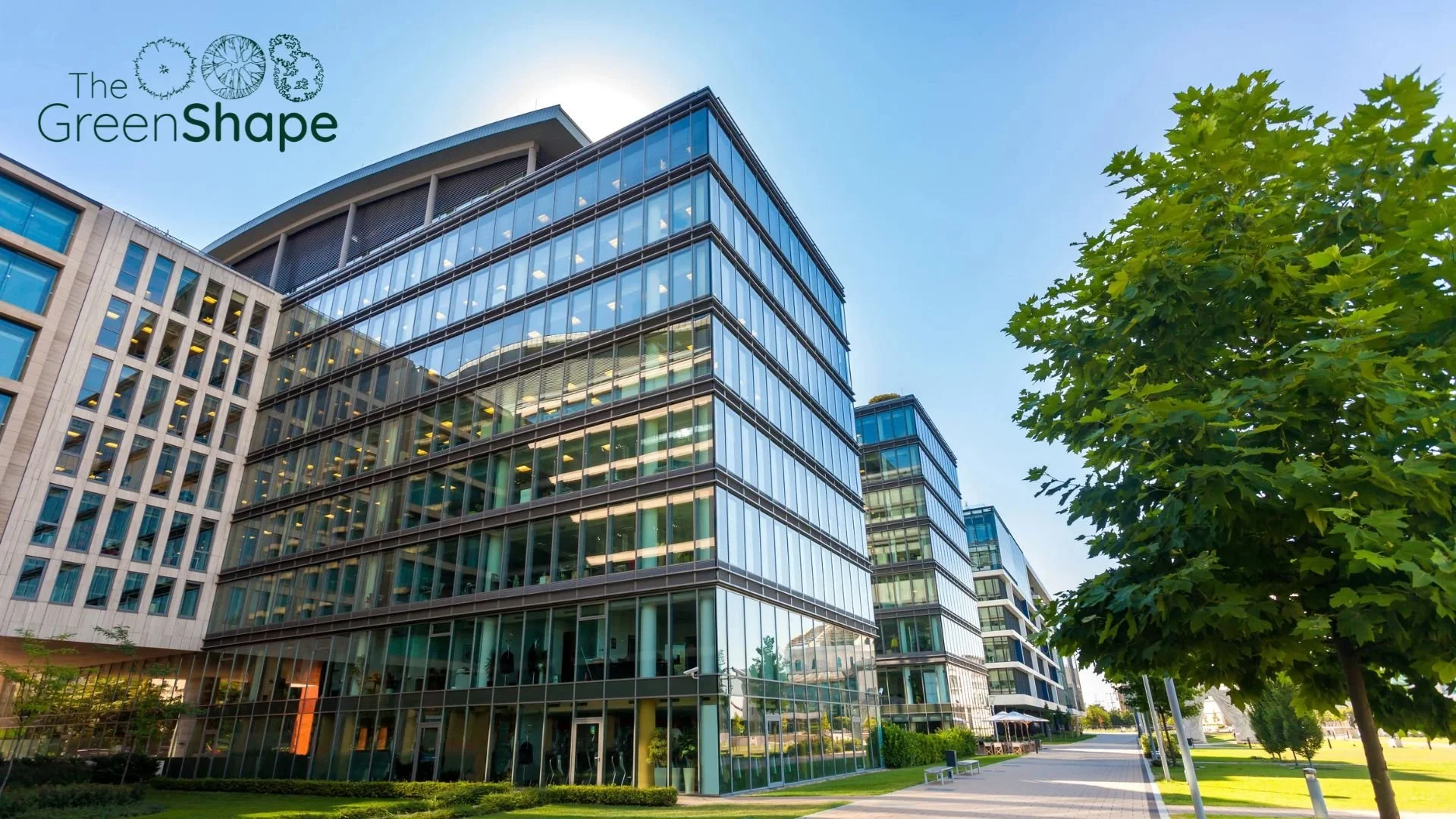
As 2027 approaches, commercial property owners and managers are beginning to evaluate their landscaping budgets, maintenance needs, and opportunities for property improvements. Whether managing an office complex, retail center, industrial facility, or multifamily community, landscape planning plays an important role in maintaining an attractive, functional property.
Effective commercial landscape design goes beyond choosing plants and improving curb appeal. It involves understanding how outdoor spaces are used, identifying potential drainage concerns, selecting appropriate materials, and considering long-term maintenance requirements.
For property managers preparing next year's budgets, now is a good time to review existing landscape conditions and identify improvements that can support property operations for years to come.
Why Commercial Landscape Design Should Be Part of Your 2027 Budget
Landscaping is often viewed as a routine maintenance expense, but thoughtful planning can help property owners make better use of their available budgets.
A well-planned landscape can improve the appearance of building entrances, guide pedestrian traffic, support stormwater management, and reduce recurring maintenance challenges.
Before allocating funds for 2027, property managers should evaluate several factors:
Existing landscape conditions: Identify damaged turf, declining trees, overgrown shrubs, and planting beds that need attention.
Maintenance expenses: Review areas that require frequent watering, pruning, mowing, or replacement.
Property functionality: Consider how landscaping affects entrances, parking areas, walkways, and outdoor gathering spaces.
Future property improvements: Account for planned construction, paving, signage, and building renovations that may affect landscaped areas.
Evaluating these conditions early allows property managers to prioritize improvements and develop a more realistic landscape budget.
Key Commercial Landscape Design Considerations for 2027
1. Drainage and Stormwater Management
Poor drainage can create problems for both landscaped areas and surrounding infrastructure. Standing water, soil erosion, and runoff near building foundations or paved surfaces may indicate that existing drainage systems need attention.
Commercial landscape design should account for how water moves across the property during heavy rainfall.
Depending on site conditions, potential improvements may include adjusting landscape grades, incorporating drainage features, or installing planting areas that help manage runoff.
Addressing drainage during the design phase can help prevent conflicts between landscaping, pavement, and other site improvements.
2. Plant Selection and Long-Term Maintenance
Choosing plants based solely on appearance can lead to unnecessary maintenance expenses.
Plant selection should account for local climate conditions, sunlight exposure, soil characteristics, available space, and irrigation requirements.
For example, shrubs installed near building entrances should be selected with their mature size in mind. Plants that grow too large may eventually block signage, restrict visibility, or interfere with pedestrian access.
Native and climate-appropriate plant species may also reduce watering and maintenance needs once established, depending on site conditions.
For commercial properties, the goal is to create attractive planting areas that remain manageable throughout the year.
3. Irrigation Efficiency and Water Usage
Irrigation is another important consideration when developing a commercial landscaping budget.
Older irrigation systems may have inefficient spray patterns, damaged components, or watering schedules that do not reflect seasonal conditions.
Property managers should consider evaluating:
Irrigation coverage and areas receiving too much or too little water
Leaks, damaged sprinkler heads, and outdated equipment
Smart controllers and rain sensors
Opportunities to reduce irrigated turf areas
Separate watering needs for trees, shrubs, and planting beds
Improving irrigation efficiency can help control water expenses while supporting healthier landscape conditions.
4. Pedestrian Access, Visibility, and Safety
Commercial landscaping should complement the way employees, customers, tenants, and visitors move throughout a property.
Overgrown vegetation, poorly placed planting beds, and low-hanging branches can create visibility concerns or interfere with walkways.
During the planning process, property managers should review landscaping around parking lot entrances, pedestrian crossings, building access points, and exterior lighting.
Plant placement should also account for accessible routes, emergency access, and clear sightlines for drivers.
These considerations are especially important for properties with heavy vehicle and pedestrian traffic.
Planning Landscape Improvements Around Property Maintenance
Commercial landscape design should work alongside a property's broader maintenance and capital improvement plans.
For example, installing new planting beds before a scheduled parking lot reconstruction could result in unnecessary damage or additional expenses. Similarly, landscape improvements near building entrances may need to be coordinated with planned sidewalk repairs or exterior renovations.
Property managers can benefit from organizing landscape improvements into phases based on priority, budget, and project schedules.
Prioritize Immediate Needs
Start with areas that present drainage concerns, visibility issues, damaged vegetation, or other conditions affecting property use.
Identify Opportunities for Improvement
Next, evaluate entrances, common areas, and high-visibility locations where updated landscaping could improve the property's overall appearance.
Plan for Future Maintenance
Finally, consider the ongoing costs associated with proposed improvements. New landscape features should be evaluated for irrigation, seasonal care, pruning, and replacement needs.
This approach helps property managers avoid focusing exclusively on installation costs.
How to Prepare Your Commercial Landscape Design Budget for 2027
Developing an accurate landscaping budget requires more than estimating the cost of new plants and materials.
Property owners should account for site preparation, soil improvements, drainage work, irrigation modifications, installation labor, and ongoing maintenance.
A useful starting point is to separate proposed expenses into three categories:
Essential improvements: Work needed to address existing problems or maintain safe, functional outdoor areas.
Property enhancements: Updates that improve appearance, usability, and the experience of tenants or visitors.
Long-term investments: Larger projects that may require phased installation or coordination with future capital improvements.
Working with a commercial landscaping professional during the planning stage can help identify site limitations, establish project priorities, and develop a scope of work that aligns with available funding.
Frequently Asked Questions
When should commercial property managers start planning landscape improvements for 2027?
Fall 2026 is a practical time to begin evaluating landscape conditions, identifying priorities, and preparing budgets. Starting early also allows time for site assessments, design development, contractor coordination, and material planning before spring installation.
What factors have the greatest impact on commercial landscape design costs?
Project size, existing site conditions, grading, drainage requirements, plant selection, irrigation modifications, and installation labor all influence costs. Properties requiring extensive site preparation or infrastructure improvements may have higher upfront expenses.
How can commercial landscape design help reduce maintenance costs?
Selecting plants suited to site conditions, planning for mature plant sizes, improving irrigation efficiency, and reducing difficult-to-maintain landscape areas can help control ongoing maintenance requirements. The potential savings depend on the property's existing conditions and proposed improvements.
Start Planning Your 2027 Commercial Landscape Improvements
Preparing for the upcoming year provides an opportunity to evaluate whether your property's landscaping is meeting its current needs.
From drainage and irrigation to plant selection and pedestrian access, effective commercial landscape design considers both immediate improvements and long-term maintenance requirements.
The Green Shape can help commercial property owners and managers evaluate their outdoor spaces and explore landscape design improvements for the year ahead.
Planning landscape improvements for 2027? Contact The Green Shape to discuss your commercial landscape design goals and take the next step in developing a plan for your property.