
Low Maintenance Plants for Florida: 101 Guide
Maintaining a landscape in Florida isn’t always easy. Between the hot sun, sandy soils, and dramatic shifts between wet and dry seasons, many plants struggle to thrive, especially when not chosen carefully. Whether you're managing a residential property or overseeing a commercial site, plant selection matters.
At The Green Shape, we work with property owners across South Florida to help them simplify landscape care without sacrificing visual interest. One of the smartest strategies? Choosing low maintenance plants for Florida that naturally adapt to the region’s unique conditions.
Here’s how to make smart, sustainable plant choices that thrive in Florida's environment.
Why Low Maintenance Plants Matter in Florida Landscaping
In Florida, your landscape needs to handle long periods of heat, humidity, and inconsistent rainfall. But in the dry season, typically from November through April, the challenge changes. Now, water becomes more limited, and plants that once thrived in heavy rains may begin to show stress.
That’s why selecting low maintenance plants for Florida is not just a cost-saving measure. It’s a smart strategy for water conservation, environmental balance, and reliable performance year-round.
What Makes a Plant Low Maintenance?
Low maintenance plants require:
Minimal supplemental watering once established
Little to no pruning or trimming
Resistance to local pests and diseases
Adaptability to Florida’s sandy, fast-draining soils
Compatibility with full sun or partial shade
Plants that naturally match Florida’s climate will always require less effort to keep healthy and that’s good news for property managers, homeowners, and anyone responsible for maintaining attractive outdoor spaces.
Key Factors When Choosing Low Maintenance Plants for Florida
Before you start selecting plants, there are a few important considerations:
1. Know Your USDA Zone
South Florida falls within USDA Zones 10 and 11. This allows for a wide variety of tropical and subtropical plants, but it also means winter freezes are rare. Still, these zones come with challenges: high humidity, salt exposure near the coast, and prolonged dry spells in the winter and spring.
2. Understand Your Soil
Florida’s soil is typically sandy and drains quickly. Without proper plant selection, water runs off before it can be absorbed. The solution? Choose plants that naturally tolerate dry, sandy conditions and don't require rich, loamy soil.
3. Consider Sunlight and Shade
In many commercial and residential landscapes, full sun dominates. For these spots, opt for plants that tolerate strong UV exposure and reflect heat well. In shaded areas (especially near structures or under tree canopies), choose plants like native ferns or shade-tolerant grasses that won’t struggle to grow.
Recommended Low Maintenance Plants for Florida
Clusia (Clusia rosea)
Also known as autograph plant, Clusia is one of South Florida’s most resilient hedging plants. It tolerates dry spells, salt spray, and full sun. With its thick, leathery leaves and dense growth, it’s a great choice for privacy or defining property lines on commercial sites.
Dwarf Fakahatchee Grass (Tripsacum floridanum)
This Florida native thrives in dry soil, doesn’t require mowing, and adds movement to any landscape. It's perfect for mass plantings in medians or around signage in business parks.
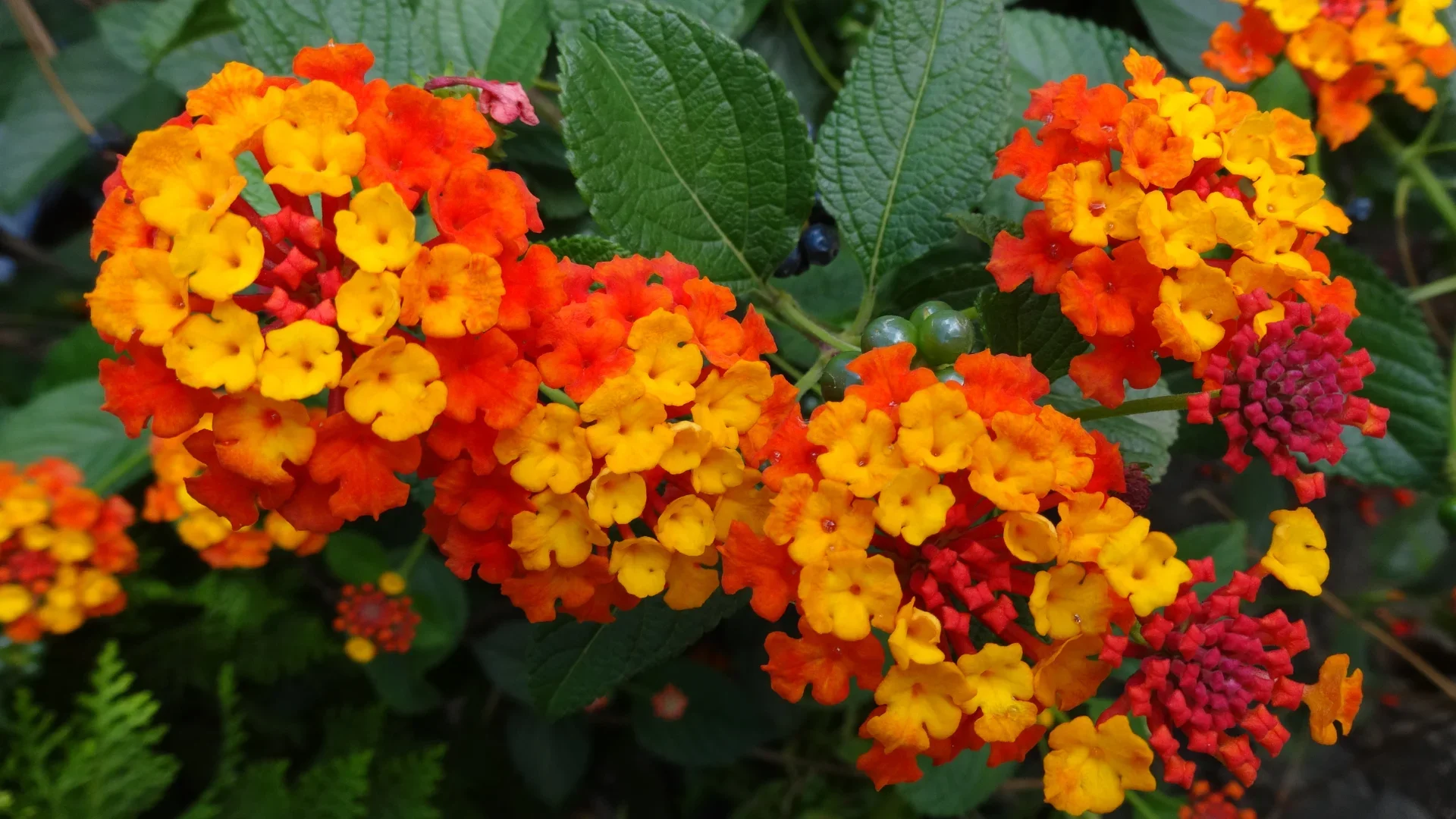
Lantana (Lantana camara)
With vibrant flowers and strong drought resistance, lantana brings reliable color throughout most of the year. It also attracts pollinators and thrives in high sun and low water conditions.
Sea Grape (Coccoloba uvifera)
Sea Grape is an iconic Florida native, often used along beaches or in large residential yards. It’s salt-tolerant and performs well in sandy soils, making it ideal for coastal properties.
Walter’s Viburnum (Viburnum obovatum)
This native shrub can be shaped into a hedge or left natural. It’s excellent for residential borders and commercial buffer zones. Once established, it requires minimal watering.
Asian Jasmine (Trachelospermum asiaticum)
This groundcover spreads quickly, chokes out weeds, and holds up well in both sun and shade. Once rooted, it’s low maintenance and doesn’t require regular mowing.
Firebush (Hamelia patens)
With its tubular red-orange flowers, Firebush is a favorite for attracting hummingbirds and butterflies. It’s also drought-tolerant and works well in both commercial and residential designs.
Low Maintenance Design Tips for South Florida Landscapes
Choosing the right plants is only part of the strategy. How you design and maintain your landscape matters just as much.
Simplify the Plant Palette
Stick to fewer than 15–20 plant species per site. This reduces the need for specialized care and simplifies maintenance routines.
Use Mass Plantings
Group shrubs or grasses in clusters. This reduces labor and creates visual consistency without frequent trimming or replanting.
Limit Turf
Traditional grass, like St. Augustine, requires constant mowing, fertilization, and irrigation. Reducing turf areas can save hundreds of hours in annual maintenance. Instead, opt for native groundcovers that require little water or care once established.
Avoid Water Features
While beautiful, water features often require daily upkeep, algae control, and energy to run pumps. For low maintenance properties, they're often more hassle than benefit.
Prepare for Seasonal Shifts
In the dry season, even drought-tolerant plants may need occasional deep watering. Work with an irrigation professional (like The Green Shape) to adjust seasonal schedules and inspect systems for efficiency.
Benefits for Commercial Properties
Low maintenance landscapes help commercial clients in several ways:
Fewer service calls and reduced labor hours
Lower water bills and compliance with local irrigation restrictions
A consistent, attractive appearance throughout seasonal changes
Less reliance on pesticides and fertilizers
Many of our clients, from shopping centers to HOA boards, prefer designs that require fewer visits and deliver dependable visual appeal year-round. These plant selections help meet that need.
Benefits for Residential Properties
Homeowners benefit from:
Less time spent on mowing, watering, and trimming
Fewer pest problems
A more natural, Florida-appropriate landscape
Peace of mind during dry months or water restrictions
The right plants make your yard easier to live with, especially during Florida's dry season. You can focus more on enjoying your yard and less on keeping it alive.
Common Mistakes to Avoid
Choosing turf grass for large areas
Overplanting with high-maintenance ornamentals
Ignoring deed restrictions in HOA communities
Selecting non-native plants that require extra watering
Failing to consult with a local expert
At The Green Shape, we help our clients avoid these mistakes by developing clear, sustainable plant plans from the start.
Contact The Green Shape for Smarter Plant Choices
If you're tired of the same landscape struggles season after season, it may be time to re-think your plant palette. Low maintenance plants for Florida make it possible to have a functional, attractive property without constant work.
At The Green Shape, we specialize in building sustainable, easy-to-manage landscapes for both commercial and residential clients. Our team knows what thrives here and how to install and maintain it properly.
Let’s talk about what works best for your site this season. Contact us today to schedule a landscape consultation, and let’s create something simple, beautiful, and built to last.
FAQs
What are the best low maintenance plants for Florida?
Some top options include Clusia, Lantana, Dwarf Fakahatchee Grass, Sea Grape, and Walter’s Viburnum.
Can I replace grass with low maintenance plants?
Yes. Many Florida landscapes are moving away from high-maintenance turf and toward native grasses and groundcovers that require less care.
How do I know if a plant is right for my property?
Check your USDA zone (typically 10–11 in South Florida), know your soil type, and work with a local expert to select plants that fit the conditions of your site.