
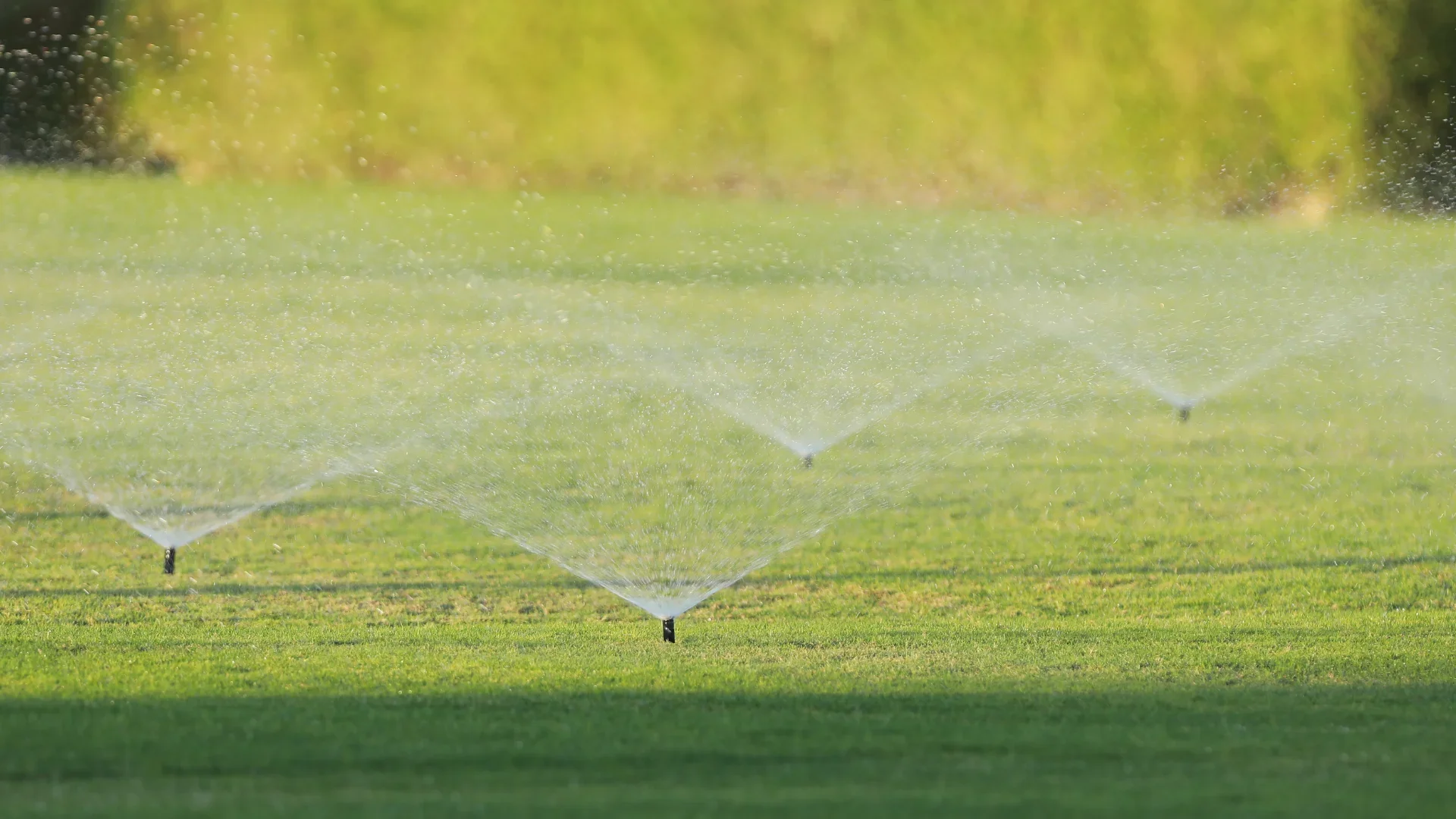
In South Florida, lawn irrigation plays a major role in how well your landscape performs throughout the year. As the region moves out of the cooler, drier months and into a period of rising temperatures, many property owners overlook one critical step: adjusting their irrigation systems for seasonal change.
What worked during the winter months will not work as conditions begin to shift. Grass starts to grow more actively, temperatures climb, and evaporation increases. Without proper adjustments, lawns can quickly move from stable to stressed. At The Green Shape, we help both commercial and residential clients stay ahead of these changes with proactive lawn irrigation planning that reflects how South Florida behaves during this time of year.
Why Spring Is a Turning Point for Lawn Irrigation
South Florida does not follow the traditional four-season pattern, but the transition into spring still marks a clear shift in landscape behavior. During the winter, irrigation demand is lower due to cooler temperatures and reduced growth. Many systems are set to run less frequently and may remain unchanged for months.
As spring approaches, those same settings can become a problem. Grass begins to require more water, but not in a way that calls for heavy, constant irrigation. It needs balanced watering that supports root activity without oversaturating the soil.
Some properties continue operating on winter schedules and fall behind, while others overcorrect and apply too much water too quickly. Both situations can lead to uneven turf, shallow root development, and unnecessary water use.
Signs Your Lawn Irrigation System Needs Adjustment
A lawn rarely declines overnight. There are early indicators that your lawn irrigation system is no longer aligned with seasonal conditions.
Visual Signs to Watch For
Turf that looks dull or inconsistent in color
Thinning areas, especially in full sun
Soft, soggy sections that hold water longer than expected
System Performance Issue
Irrigation coverage can also become uneven over time. Heads may shift, clog, or lose pressure, leading to dry spots in some areas and overwatered zones in others. These problems often go unnoticed until the lawn begins to respond negatively.
At The Green Shape, irrigation checks are part of seasonal service visits, allowing small inconsistencies to be corrected before they impact the entire property.
Adjusting Lawn Irrigation for Rising Temperatures
As temperatures begin to rise, lawn irrigation should be adjusted gradually. Increasing watering too quickly can overwhelm the soil, while delaying adjustments can leave turf under stress.
What to Focus On
The goal is to match irrigation output with actual environmental demand. This includes:
Sun exposure across different areas of the property
Soil type and drainage speed
How moisture is retained in shaded versus open areas
South Florida’s sandy soil drains quickly, so irrigation must be applied in a way that allows absorption without runoff. Fixed schedules often fall short during seasonal transitions, which is why adjustments should be made based on real conditions rather than habit.
The Role of Lawn Irrigation in Recovery and Growth
Spring is not just about maintaining your lawn. It is also a key time for recovery. Turf that experienced stress during cooler months begins to repair itself as temperatures rise.
Lawn irrigation directly supports this process. Proper watering helps roots develop deeper and promotes more even growth across the lawn. Too much water, however, can lead to shallow roots and increased risk of disease.
Balanced irrigation allows the lawn to stabilize naturally, which is especially important for commercial properties that need consistent turf performance across large areas.
Why Lawn Irrigation Systems Need Ongoing Attention
A common misconception is that once a lawn irrigation system is installed, it will continue working properly without adjustments. In reality, systems require regular monitoring.
Common Issues Over Time
Sprinkler heads shifting from their original position
Clogged or misaligned nozzles
Timers that no longer reflect seasonal conditions
Even small issues can lead to uneven watering patterns. Working with the same provider over time creates consistency and allows for better tracking of system performance.
At The Green Shape, we monitor lawn irrigation across service visits, identifying patterns and making adjustments before visible damage occurs.
Preparing Lawn Irrigation for Warmer Months
As South Florida moves closer to summer, lawn irrigation becomes even more important. Heat, humidity, and changing rainfall patterns all affect how water interacts with the soil.
Preparing early helps avoid sudden problems later. This includes reviewing irrigation schedules, checking coverage, and confirming proper drainage.
Storm Season Considerations
Storm preparation begins well before peak season. Irrigation systems should be checked for vulnerabilities that could be impacted by heavy rain or strong winds. Addressing these concerns early reduces the risk of disruption when weather conditions intensify.
Lawn Irrigation for Commercial Properties
For commercial properties, lawn irrigation is tied directly to performance. Uneven turf, standing water, or dry areas can affect usability and increase maintenance demands.
Large properties often include multiple irrigation zones with different conditions. Managing these zones requires a coordinated approach that accounts for how water moves across the site.
At The Green Shape, we work with property managers to develop lawn irrigation plans that reflect real-world conditions. This includes schedule adjustments, system monitoring, and alignment with other landscape services.
Consistency across all services helps maintain stable conditions throughout the property.
Lawn Irrigation for Residential Properties
Homeowners often take a set-it-and-forget-it approach to lawn irrigation, especially during cooler months. As temperatures rise, those settings can quickly become outdated.
Adjusting irrigation in early spring helps prevent:
Dry or thinning patches
Uneven growth patterns
Excess moisture buildup
Even small changes in timing and coverage can improve how a residential lawn performs during the transition into warmer weather.
Staying Ahead of Seasonal Changes
Lawn irrigation in South Florida requires ongoing attention. Seasonal transitions, especially the shift into spring, are critical moments where small adjustments can prevent larger issues.
Understanding how temperature, rainfall, and soil conditions interact allows property owners to make informed decisions. When lawn irrigation is managed correctly, landscapes respond with more consistent growth and fewer disruptions.
Work with The Green Shape for Lawn Irrigation Services
At The Green Shape, we provide lawn irrigation services tailored to South Florida’s climate. We help keep systems running properly as conditions change throughout the year.
If your lawn irrigation system hasn’t been checked recently, now is a good time. Contact The Green Shape to schedule an irrigation assessment.
Common Questions
When should I adjust my lawn irrigation in Florida?
You should adjust lawn irrigation as temperatures begin to rise in early spring. Systems should move away from winter settings to support new grass growth without overwatering.
How often should I water my lawn in South Florida?
Most lawns in South Florida need watering two to three times per week, depending on weather, soil, and sun exposure. Irrigation should be adjusted as conditions change.
What are signs of overwatering a lawn?
Common signs include soggy soil, fungal growth, and grass that feels soft or spongy. Overwatering is common during seasonal transitions if irrigation schedules are not updated.
Why is lawn irrigation important before summer in Florida?
Proper lawn irrigation before summer helps prepare grass for heat and increased growth. Adjusting early helps avoid stress, uneven growth, and water waste.