
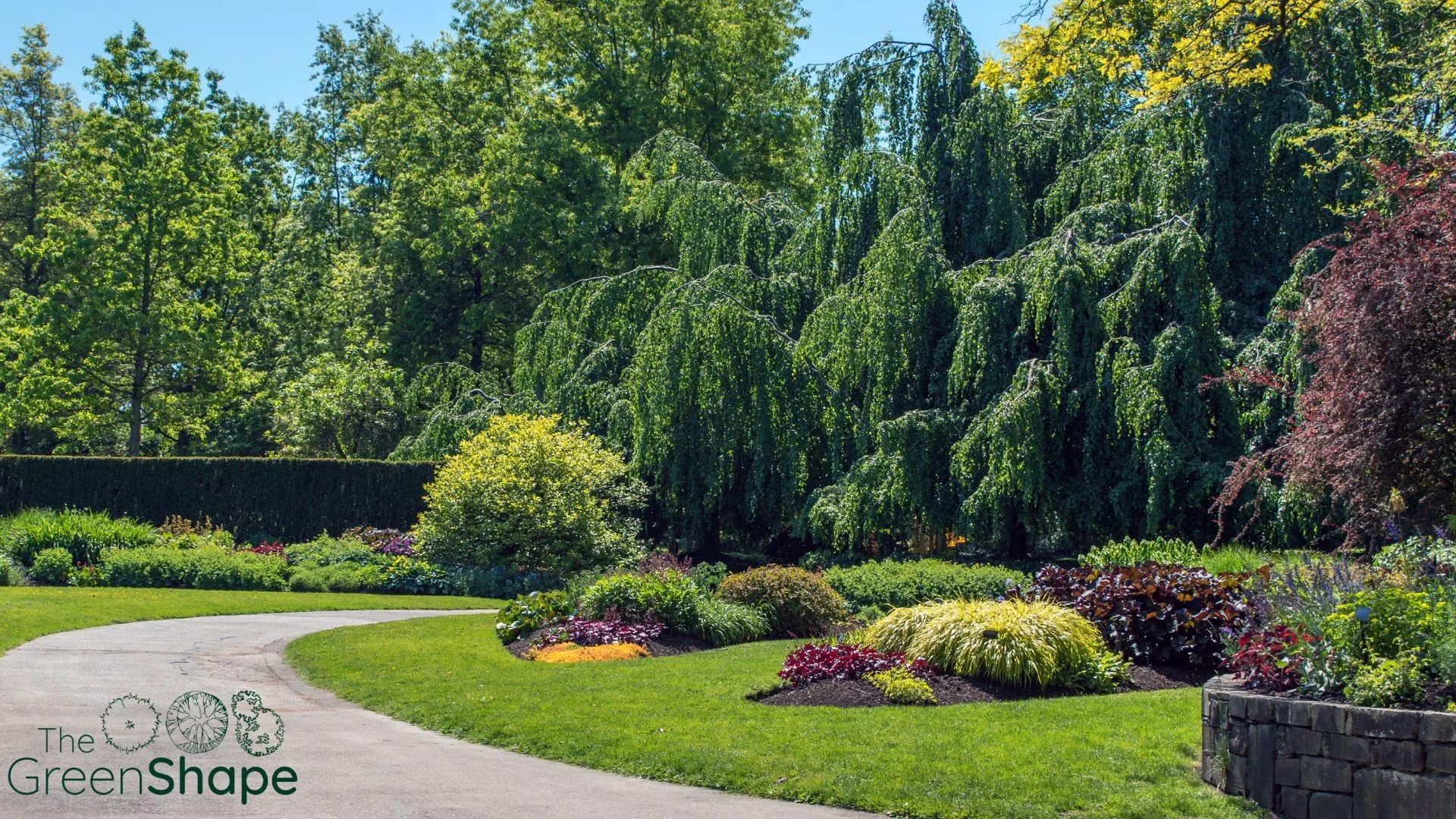
Why Fall Is the Best Time for a Landscape Renovation in Florida
Florida's warm climate allows commercial landscapes to grow throughout much of the year, but not every season offers the same conditions for major improvements. After months of intense summer heat, frequent thunderstorms, and rapid plant growth, many commercial properties begin to show signs of wear. Overgrown shrubs, thinning turf, drainage problems, and aging landscape features can affect a property's appearance and maintenance needs.
Fall offers an opportunity to address these issues before the next growing season. With temperatures beginning to cool and rainfall generally decreasing across much of Florida, property owners and facility managers can plan improvements with fewer weather-related challenges.
Whether you're updating plant beds, replacing damaged turf, or redesigning outdoor spaces, a landscape renovation during the fall can help prepare your commercial property for the months ahead.
1. Cooler Temperatures Create Better Working Conditions
Florida summers bring high temperatures, humidity, and frequent afternoon storms. These conditions can make larger landscaping projects difficult to schedule and complete.
During fall, temperatures gradually become more comfortable, creating better conditions for landscape crews performing tasks such as removing old plant material, preparing soil, installing irrigation components, and constructing landscape features.
Cooler weather can also reduce heat stress on newly installed plants. Although Florida's fall temperatures vary by region, the seasonal transition generally creates a more favorable environment for certain landscape improvements.
For commercial properties with large outdoor areas, scheduling a landscape renovation during this period may also help reduce interruptions caused by summer storms.
2. Reduced Rainfall Can Improve Project Scheduling
Florida's rainy season typically extends from May through October, although exact conditions vary by location and year. Heavy rainfall can saturate soil, delay equipment access, and interfere with landscape installation.
As the state transitions into its drier season, property managers may experience fewer rain-related scheduling problems.
Reduced rainfall can be particularly helpful for projects involving:
Soil preparation and grading
Landscape bed reconstruction
Drainage improvements
Hardscape installation
Irrigation system modifications
Removal and replacement of existing vegetation
However, lower rainfall also means newly installed plants may require more attention to irrigation. A successful landscape renovation should include a watering plan based on plant species, soil conditions, and local water restrictions.
3. Fall Is an Opportunity to Address Summer Landscape Damage
After months of heavy rain, strong sunlight, and rapid vegetation growth, commercial landscapes may develop several problems that become more noticeable as summer ends.
Turf may have bare patches from standing water, heavy foot traffic, or pest activity. Shrubs may become overgrown, while landscape beds can lose their definition as weeds spread and mulch breaks down.
Fall is a practical time to evaluate these conditions and determine which areas need attention.
A commercial landscape renovation may include replacing declining plants, improving bed layouts, correcting drainage problems, or installing more appropriate vegetation.
Rather than continuing to maintain landscape features that are no longer performing well, property owners can use the season to make improvements that support the property's long-term appearance and function.
4. Landscape Renovation Can Improve Irrigation Efficiency
Irrigation is an important part of maintaining commercial landscapes in Florida, especially as rainfall decreases during the fall and winter months.
Before installing new plant material, property managers should consider whether the existing irrigation system can support the proposed landscape design.
Common issues include broken sprinkler heads, uneven water distribution, outdated controllers, and irrigation zones that deliver the same amount of water to plants with different needs.
A landscape renovation creates an opportunity to correct these problems.
For example, separating turf areas from shrub beds into different irrigation zones can make watering more efficient. Installing rain sensors or weather-based irrigation controllers may also help reduce unnecessary watering.
Choosing Florida-friendly plants with appropriate water requirements can further support efficient landscape maintenance.
5. Prepare Commercial Properties for the Winter Season
Florida's winter conditions are generally mild compared to much of the country, but seasonal changes still affect landscape maintenance.
In Central and South Florida, many warm-season plants remain active through winter, while growth may slow considerably in North Florida. Some tropical plants are also vulnerable to occasional cold weather.
Planning a landscape renovation in the fall allows property managers to evaluate plant selection before temperatures drop.
This may involve replacing cold-sensitive plants in exposed areas, adding mulch to help moderate soil temperatures, or selecting plants better suited to the property's location.
Fall is also a useful time to improve landscape visibility around entrances, walkways, parking areas, and building signage.
These improvements can help commercial properties maintain a professional appearance during the winter months.
6. Get Ahead of Spring Landscape Projects
Spring is often a busy season for commercial landscaping companies as property owners prepare for increased plant growth and outdoor activity.
Starting a landscape renovation in the fall gives property managers time to evaluate existing conditions, establish budgets, and complete appropriate improvements before spring arrives.
It also allows newly installed plants time to develop roots during cooler conditions, provided they receive proper irrigation and care.
Plant selection is especially important. Some warm-season grasses and tropical plants establish more successfully during warmer periods, so not every installation should be scheduled for fall.
A professional landscape assessment can help determine which improvements should be completed immediately and which are better scheduled for another season.
7. Improve Curb Appeal Before the New Year
The appearance of a commercial property can influence how customers, tenants, employees, and visitors experience the space.
Overgrown vegetation, deteriorating landscape beds, and patchy turf can make an otherwise well-maintained building appear neglected.
A fall landscape renovation offers an opportunity to refresh the property before the new year.
Improvements might include installing new shrubs near building entrances, replacing outdated plant beds, refreshing mulch, or creating more defined landscape borders.
For retail centers, office parks, multifamily communities, and other commercial properties, these updates can improve curb appeal while addressing ongoing maintenance concerns.
Plan Your Commercial Landscape Renovation with The Green Shape
Fall provides favorable conditions for many commercial landscaping improvements throughout Florida. Cooler temperatures, generally reduced rainfall, and the opportunity to address summer damage make it a practical season for property upgrades.
The key is developing a renovation plan that accounts for your property's existing conditions, plant requirements, irrigation needs, and long-term maintenance goals.
The Green Shape provides commercial landscaping services to help property owners and managers improve their outdoor spaces.
Frequently Asked Questions
Is fall a good time to plant new landscaping in Florida?
Fall can be a good time to install many trees, shrubs, and other landscape plants because temperatures are cooler. However, planting schedules should account for the species, regional climate, and irrigation requirements.
What should be included in a commercial landscape renovation?
A commercial landscape renovation may include plant replacement, turf improvements, irrigation upgrades, drainage corrections, and landscape bed redesign. The scope depends on the property's condition, budget, and maintenance needs.
How long does a commercial landscape renovation take?
Project timelines depend on the size of the property and the work involved. Smaller landscape bed improvements may take a few days, while larger projects involving grading, irrigation, and extensive planting can take several weeks.